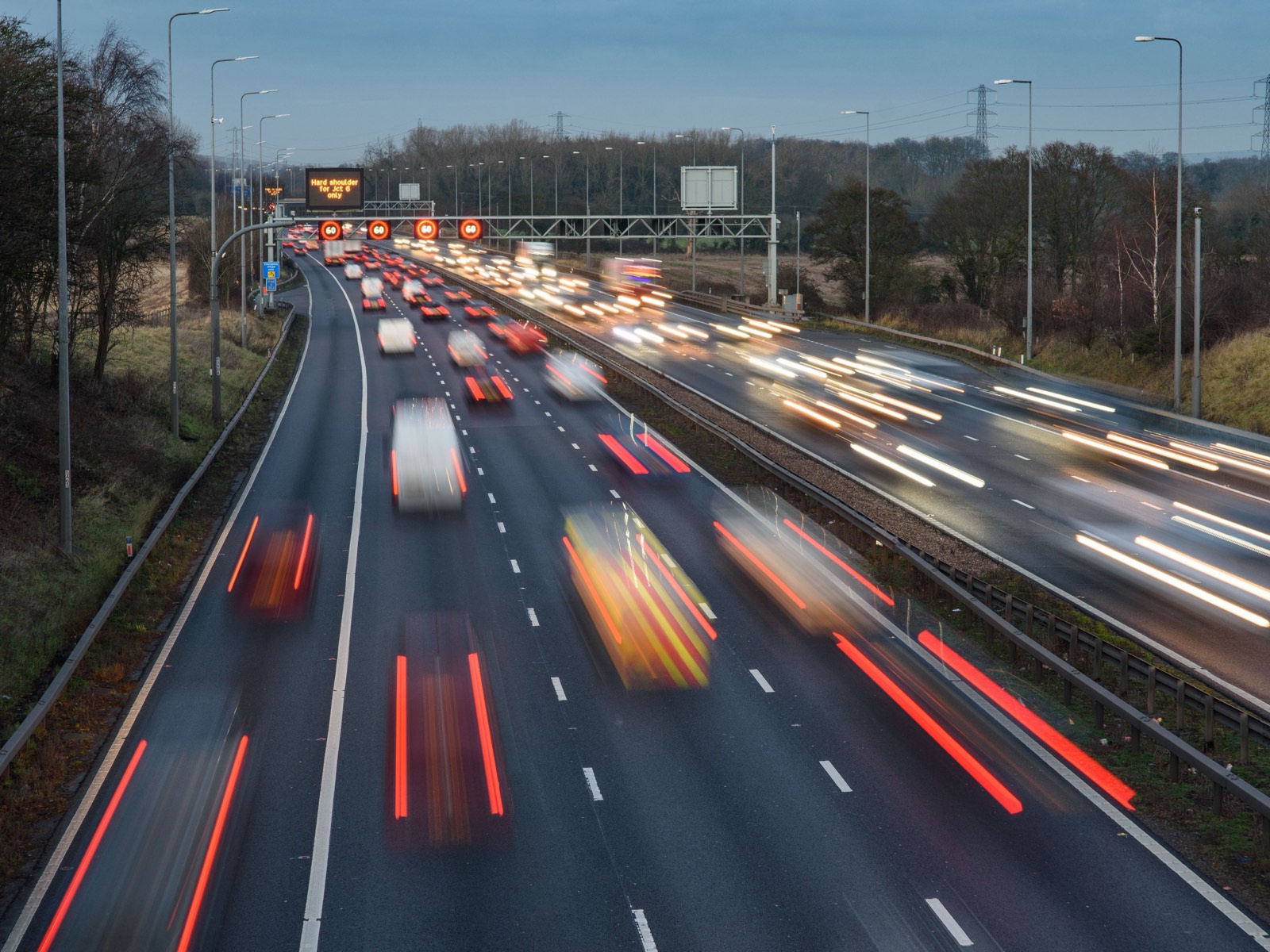
The clocks went back on Sunday 25 October, and for the next few months many people who drive for work will do part of their day in the dark. Add rain, fog and the first frosts, and winter is when driving for work asks most of your drivers and your vehicles.
Employers carry legal duties for this, whether staff drive company cars, vans or their own vehicles. This checklist covers the legal duties and the winter checks for journeys, drivers and vehicles, using guidance from the Health and Safety Executive (HSE).
For many employees, driving is a regular part of the working day, and it carries real risk. The Department for Transport (DfT) estimates that 583 people were killed in 2025 in collisions involving someone driving for work. That is 38% of all road deaths in Great Britain, and 37% of all reported casualties (DfT, driving for work estimates, 24 September 2026). The DfT describes these as official statistics in development.
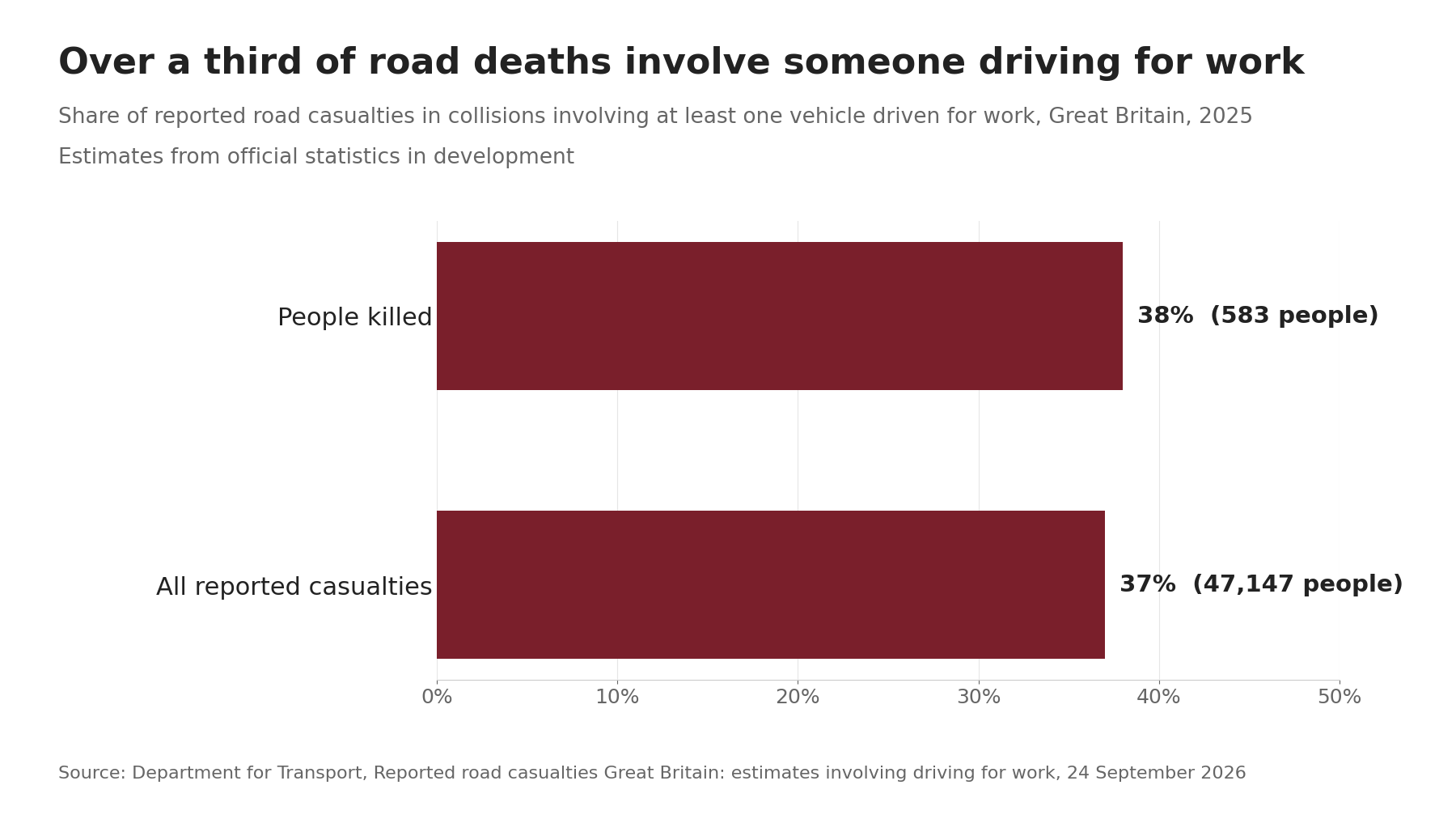
The DfT figures cover the whole year, but darker evenings make the existing risks harder to manage. Journeys that were in daylight in September now finish in the dark. Tiredness builds on long winter days. Pedestrians and cyclists are harder to see, and bad weather lengthens journey times just when people are under pressure to keep to schedule.
HSE is clear that "health and safety law applies to work activities on the road in the same way as it does on a fixed site" (HSE, driving and riding safely for work). In practice that means:
Commuting to a normal place of work isn't usually driving for work. A trip from home to a site, a client or a different office usually is.
If staff use their own cars, there are extra checks around insurance, MOT and roadworthiness. AMT Insurance Solutions' guide to grey fleet responsibilities for employers covers those in detail.
Journey planning is where employers have the most control, because you set the schedules. HSE's guidance on planning and managing journeys asks employers to consider whether journeys involve driving and stopping in the dark, and to avoid peak traffic where possible.
Winter is a good moment to refresh the driver side of your policy. HSE's guidance on making sure drivers are safe covers licences, training and distraction.
Night driving shows up weak eyesight quickly. Part of the legal standard is being able to read a number plate from 20 metres, with glasses or contact lenses if needed (GOV.UK, driving eyesight rules). Encourage regular eye tests, and make it easy for staff to raise problems with glare or night vision.
Check that licences are valid and that any insurance and MOT you rely on are in date. HSE says employers must make sure workers are adequately trained at no cost to them, and suggests starting with those at highest risk, such as high-mileage drivers.
Using a hand-held phone while driving is an offence. HSE also notes that hands-free calls increase the likelihood of a collision, and recommends a clear policy that drivers don't make or take calls while driving. Winter makes this more important, because the road needs more attention in the dark and the wet.
HSE expects employers to make sure any vehicle used for work is safe and stays safe, and notes that an MOT "only covers basic defects" (HSE, vehicles used for work). Before winter sets in, ask drivers to check and record:
Have a simple way for drivers to report defects, and a clear rule that an unsafe vehicle isn't driven. For staff using their own cars, ask them to confirm the same checks.
Cold weather reduces an electric car's range and can slow charging, so winter journeys may need an extra charging stop. Preconditioning the car while it's still plugged in helps. Our post on how cold weather affects electric vehicle performance explains why, and is worth sharing with drivers who are new to electric.
A short written policy helps drivers know what you expect and shows how you are managing the risk. For winter, make sure it covers:
Share it at induction and again each autumn, and ask drivers what would make their journeys safer. They often know where the problems are.
When a fleet car is off the road after a bump on an icy morning, staff still need to get to work safely. AMT Rent provides short and long-term business car hire, including accident management, from its UK locations. For employers reviewing their fleet, our guide to business leasing explains the options.
This article is general information about health and safety duties, not legal advice. Sources checked on 23 October 2026: HSE, driving and riding safely for work (employer pages); Department for Transport, Reported road casualties Great Britain: estimates involving driving for work (new approach), published 24 September 2026; GOV.UK, driving eyesight rules; West Yorkshire Police, tyre law.
At AMT Auto, we redefine convenience with vehicle solutions designed for both businesses and individuals.
No matter the vehicle or the duration, we’ve got you covered with our exceptional services.
Discover flexible car leasing, car rental, used cars to buy, or subscribe to a car or van with us—you can even sell your current car for the best price. For businesses needing consultancy on fleet management or a partner to supply vehicles to customers, we’ve got it all under one roof.


AMT Global Investments Ltd - Registered in England and Wales No: 05904790. Please note: Whilst every effort has been made to ensure the accuracy of the vehicle information and images, some errors may occur. It is important that you do not rely solely on the information, images or prices shown but confirm with AMT regarding any items that may affect your decision to rent, lease or buy a vehicle. Registered Address: AMT Auto, 4 Bingley Street, Leeds LS3 1LX, Tel: 0113 387 4240.
We maintain a zero-tolerance policy toward any form of harassment or abusive behaviour directed at our employees. Everyone deserves to work in a safe, respectful environment.